Cheap Car Insurance in Chicago
Chicago drivers pay more for auto insurance than most of their Illinois neighbors. Full coverage averages $1,800–$2,200 per year in the city, compared to $1,300–$1,600 statewide. That gap exists because insurers price policies using local factors: theft rates, traffic density, accident frequency, and even your ZIP code. Providers specializing in cheap car insurance in Chicago, such as Insurance Navy, understand these local pricing pressures and build products around them. Chicago consistently ranks among the top 10 most vehicle-theft-affected major U.S. cities, which pushes comprehensive premiums higher across the board.
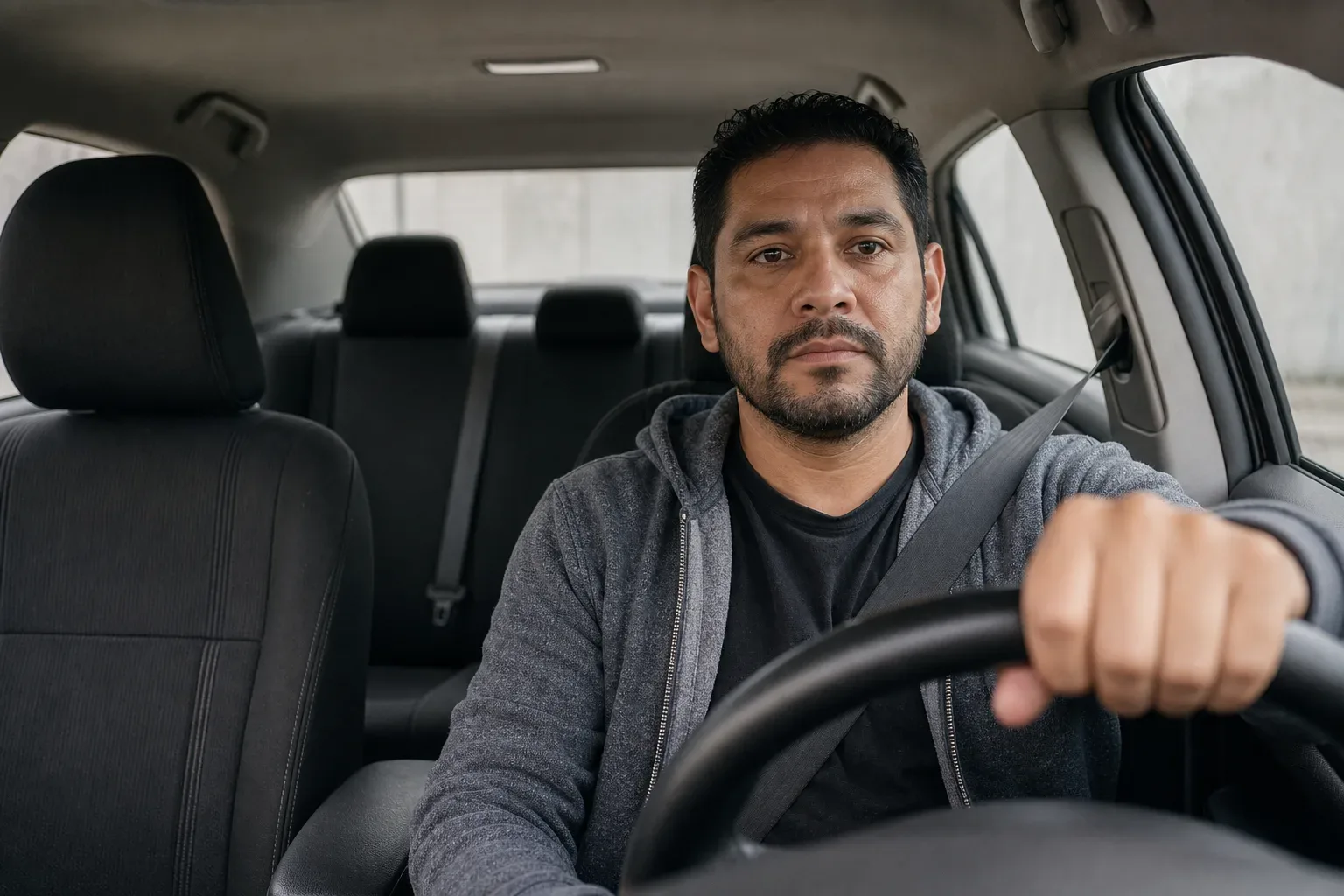
The good news is that real savings are available if you know where to look.
What Drives Chicago Car Insurance Costs Up
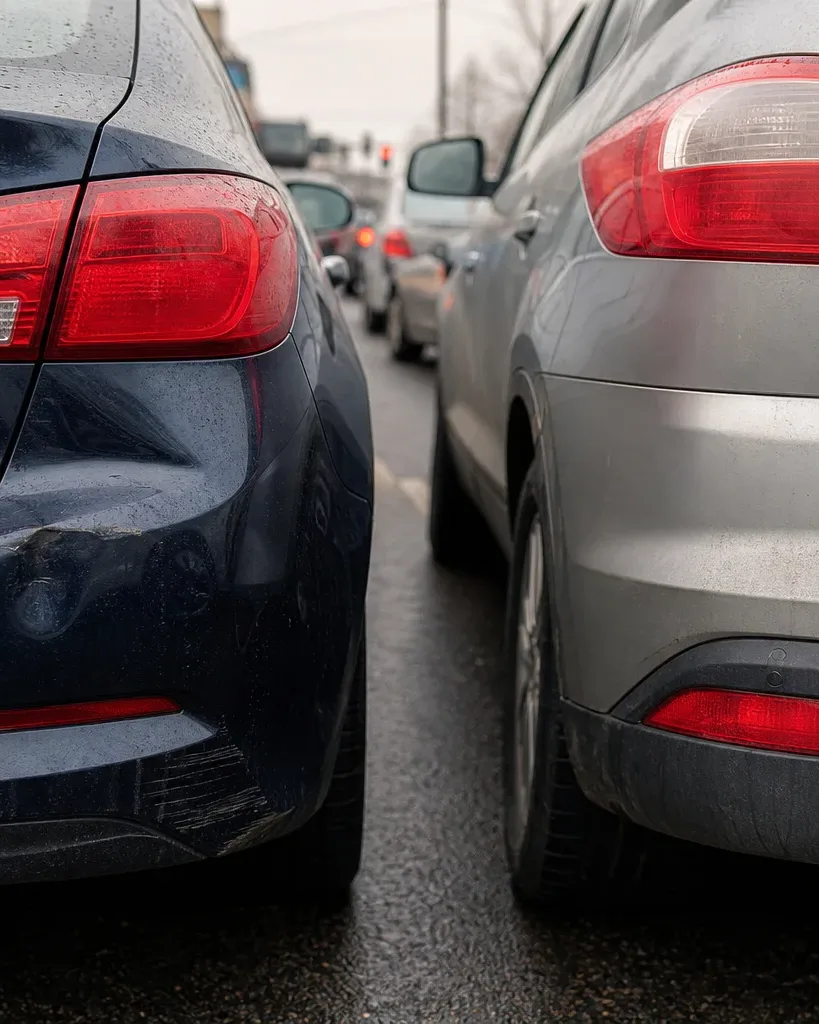
Insurers assign rates based on risk, and Chicago presents several risk factors simultaneously. Congested roads on the North Side and downtown corridors produce more fender-benders per mile than rural Illinois highways. Chicago's approximately 60 ZIP codes each carry their own risk profile, so a driver in Lincoln Square may see a different rate than one in Pilsen even with identical driving records.
Vehicle theft is a persistent factor. Comprehensive coverage absorbs theft losses, and insurers price that exposure into premiums city-wide. About 12–13% of Illinois drivers carry no insurance at all, which pushes uninsured motorist coverage from a nice-to-have into a practical necessity for Chicago residents.
Coverage Options and What They Cost
Illinois law requires liability-only coverage at minimums of $25,000 per person, $50,000 per accident, and $20,000 in property damage. This is written shorthand as 25/50/20. A liability-only policy meeting those minimums typically costs $600–$900 per year for Chicago drivers.
Full coverage adds collision and comprehensive to your liability policy. That broader protection costs considerably more, landing in the $1,800–$2,200 annual range for most Chicago drivers. If your car is financed or leased, your lender will require full coverage regardless of your preference.
Uninsured motorist coverage is worth carrying given Illinois's uninsured driver rate. It pays for your injuries and damage when the at-fault driver has no insurance. Adding it to a liability-only policy costs relatively little compared to what an uninsured-driver accident can cost out of pocket.
How to Get Cheap Car Insurance in Chicago
The single most effective tactic is comparing quotes from multiple insurers. Rates for the same driver and vehicle can vary by hundreds of dollars per year across carriers. Spending 30–45 minutes gathering at least four quotes, either directly through insurer websites or through a licensed independent agent, regularly produces meaningful savings.
Raise Your Deductible
A higher deductible means you pay more out of pocket if you file a claim, but it lowers your premium. Choosing a higher deductible instead of a lower one can reduce your monthly premium noticeably depending on the carrier. This strategy works best for drivers who have a reliable emergency fund and a clean driving record.
Bundle Policies
Buying your auto and renters or homeowners insurance from the same carrier can reduce your premium by up to 25%. Most major insurers operating in Chicago offer multi-policy discounts. If you already carry renters insurance, calling your current auto insurer to ask about bundling takes less than ten minutes.
Ask About Every Discount
Good driver discounts can cut your premium by up to 20% if you have a clean record over the past three to five years. Other common discounts include low annual mileage, completing a defensive driving course, paying your annual premium in full upfront, and enrolling in a usage-based telematics program. Carriers such as State Farm, Allstate, and Progressive all have telematics options available to Illinois drivers.
Choose the Right Coverage Level
If your car is older and paid off, carrying full coverage may cost more annually than the car is worth. A quick calculation: if your vehicle's market value minus your deductible is less than your annual comprehensive and collision premium, you're paying more in coverage than you could recover in a total-loss claim. Dropping to liability-only on a low-value car is a legitimate cost-reduction strategy, not a shortcut.
Young Drivers and High-Risk Drivers in Chicago
Drivers under 25 face the steepest premiums. In Chicago, young drivers typically pay 50–100% above the standard adult rate. A policy that costs an adult $1,800 per year could run $2,700–$3,600 for a 19-year-old with the same vehicle and ZIP code. Adding a young driver to a parent's existing policy is nearly always cheaper than opening a separate policy.
High-risk drivers, including those required to file an SR-22 certificate after a DUI or coverage lapse, face elevated premiums on top of the SR-22 filing fee itself. That filing fee is a one-time charge of $15–$50 paid to the insurer. Illinois requires high-risk drivers to maintain the SR-22 for typically three years. Comparing quotes specifically from insurers who specialize in high-risk coverage, such as The General or Dairyland, can reduce the premium burden during that period.
Rideshare and Gig Drivers
Personal auto policies do not cover you while driving for Uber, Lyft, or a delivery platform. The gap in coverage exists during the period when the app is on but no passenger or order has been accepted. A rideshare endorsement added to your personal policy closes that gap and typically costs $10–$20 per month in Chicago. That is a small expense compared to a denied claim during a covered period.

Neighborhood and ZIP Code Strategies
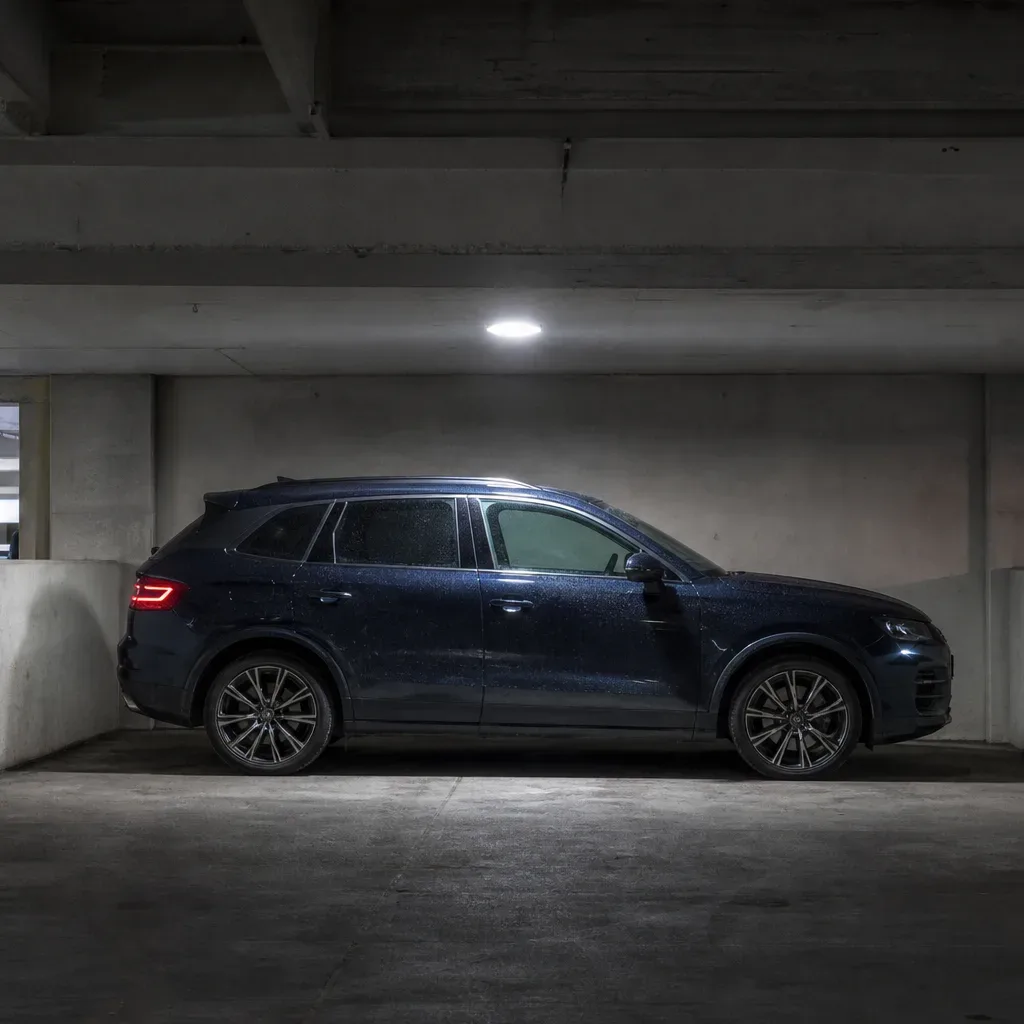
If you're moving within Chicago, your new ZIP code can shift your premium meaningfully. Neighborhoods with lower vehicle theft rates and lower accident density tend to carry lower premiums. Garaging your vehicle in a secured parking structure rather than on the street can also reduce your comprehensive rate, since off-street parking lowers theft and vandalism exposure.
When comparing quotes, always enter the address where your car is primarily kept overnight, not your work address. Misreporting that address constitutes misrepresentation and can result in a denied claim.
Illinois Has No Low-Income Insurance Program
Unlike California, Illinois has no state-sponsored low-income auto insurance program. Drivers in financial hardship cannot apply to a government subsidy program. Federal and nonprofit resources such as 211 Illinois can point toward financial assistance more broadly, but there is no program equivalent to California's CLCA operating in this state. The most practical path to affordable coverage in Chicago remains shopping multiple carriers and applying every discount available to your profile.
Frequently Asked Questions
How to Get Cheap Car Insurance in Chicago?
Compare quotes from at least four insurers, since rates for identical drivers can vary by hundreds of dollars per year. Apply every discount available to you, including good driver (up to 20% off), multi-policy bundling (up to 25% off), and telematics programs. Raising your deductible also reduces your premium if you can cover the higher out-of-pocket cost after a claim.
What Is the Minimum Car Insurance Required in Chicago?
Illinois law requires liability-only coverage at 25/50/20, meaning $25,000 per person and $50,000 per accident for bodily injury, plus $20,000 for property damage. A policy meeting those minimums costs approximately $600–$900 per year for Chicago drivers. Lenders and lessors typically require full coverage on top of those minimums.
How Much Does Car Insurance Cost in Chicago?
Full coverage averages $1,800–$2,200 per year for Chicago drivers, which is notably higher than the Illinois statewide average of $1,300–$1,600. Liability-only coverage runs $600–$900 per year. Your exact rate depends on your ZIP code, driving record, vehicle, age, and the insurer you choose.
Does My ZIP Code Affect My Car Insurance Rate in Chicago?
Yes. Chicago has approximately 60 ZIP codes, and insurers rate each one based on local theft frequency, accident rates, and traffic density. A driver in one neighborhood may pay a materially different premium than a driver with the same profile in another part of the city. Always enter the address where your car sleeps overnight when requesting a quote.
Is There a Low-income Car Insurance Program in Illinois?
No. Illinois has no state-sponsored low-income auto insurance program. Unlike California's low-cost program, Illinois offers no government subsidy for premiums. Drivers seeking financial assistance can contact 211 Illinois for referrals to nonprofit resources, but the most direct path to lower premiums remains comparing multiple carriers and using every discount available.