Car Insurance Rates by Chicago Neighborhood - High-Risk Areas Explained
Chicago's approximately 60 ZIP codes spread across neighborhoods with dramatically different theft rates, traffic densities, and accident frequencies. Insurers price policies at the ZIP code level, so two drivers with identical records and vehicles can pay hundreds of dollars apart simply because of where they park overnight. Understanding how your specific neighborhood feeds into that calculation is the fastest way to make sense of your premium and find realistic ways to reduce it.

How Chicago Neighborhood Location Shapes Your Premium
Insurers use your garaging address, the street where your vehicle is kept most nights, as a primary rating factor. They pull claims data for that specific ZIP code and weight your policy accordingly. A neighborhood with frequent vehicle thefts, high pedestrian density, or a track record of costly collision claims will push premiums upward regardless of your personal driving history.
Chicago ranks consistently among the top 10 most vehicle-theft-affected major U.S. cities. That city-wide risk already elevates rates above the Illinois statewide full coverage average of $1,300–$1,600 per year. Within Chicago itself, the spread between the lowest- and highest-risk ZIP codes adds another significant layer on top of that base.
The Garaging Address Rule
Your insurer needs the address where the car sleeps, not your employer's parking lot or a family member's garage. Listing the wrong address to get a lower rate is considered misrepresentation, which can void a claim. If you move between ZIP codes within the city, updating your policy immediately is both a legal obligation and a practical protection.
Which Chicago Neighborhoods Typically Carry Higher Rates
Neighborhoods on the South and West Sides have historically reported higher auto theft and uninsured motorist claim rates. Areas around Englewood, Austin, and Garfield Park appear consistently in city theft data. Drivers there face the combined pressure of elevated comprehensive claims and the reality that roughly 12–13% of Illinois drivers carry no insurance at all, making uninsured motorist coverage especially valuable.
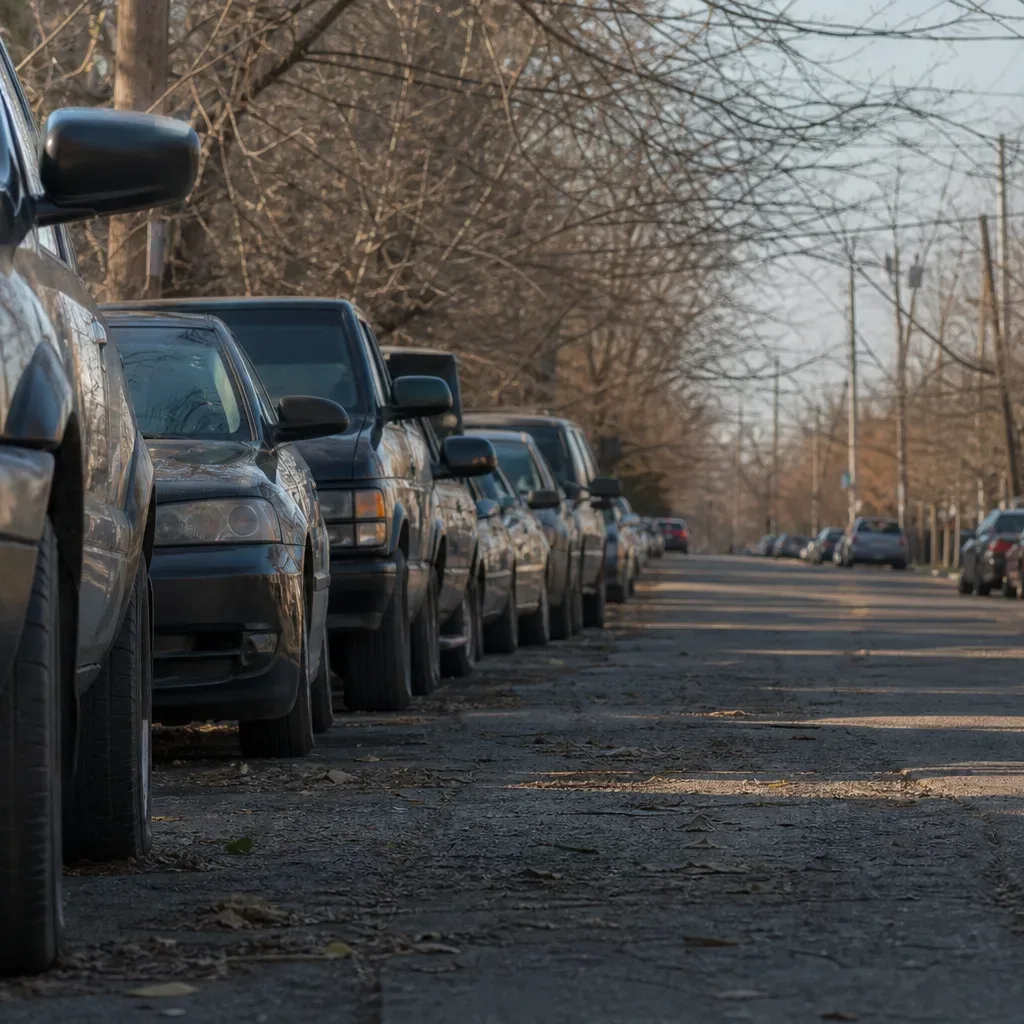
The Near North Side, River North, and the Loop present a different risk profile. Dense street parking, heavy pedestrian traffic, and frequent fender-benders in narrow alleys push collision claim frequencies up. Rates in those areas can still run high, just for different reasons than neighborhoods with elevated theft exposure.
What High-Risk ZIP Codes Mean for Your Coverage Needs
In a ZIP code with above-average theft, dropping comprehensive coverage to save money is a significant gamble. Comprehensive covers theft, vandalism, and weather damage. Without it, a stolen vehicle leaves you with nothing but the police report. Full coverage, meaning collision plus comprehensive plus liability-only coverage combined, provides the broadest protection and is the baseline most lenders require if you carry a loan or lease.
In lower-risk ZIP codes, the math on dropping down sometimes changes. Liability-only coverage in Chicago runs approximately $600–$900 per year, compared to full coverage city-wide averages that sit notably higher. Whether that trade-off makes sense depends on your vehicle's age, current market value, and specific ZIP code theft history.
Does Neighborhood Affect Car Insurance Rates
Yes, neighborhood is one of the most direct factors in how Chicago auto insurers calculate your premium. ZIP code data informs every major component of a price: theft frequency shapes comprehensive rates, accident density shapes collision rates, and the concentration of uninsured drivers shapes uninsured motorist pricing. Your personal record matters too, but it sits on top of a neighborhood baseline that you cannot negotiate away.
Illinois law requires at least $25,000 per person and $50,000 per accident in bodily injury liability coverage, plus $20,000 in property damage, written as 25/50/20. Every Chicago driver must carry at least that floor. In high-risk neighborhoods, carrying only the statutory minimum leaves significant exposure, because a serious multi-vehicle accident can exceed those limits quickly.
Car Insurance Rates by Neighborhood Chicago - Comparing Your Options
The most productive comparison step is getting quotes that reflect your exact garaging ZIP code, not a general Chicago area estimate. Online comparison tools ask for your full address for this reason. Quotes using the same coverage limits across multiple carriers reveal which insurer prices your specific ZIP code most competitively.
Bundling your auto policy with renters or homeowners insurance can reduce your premium by up to 25%. A clean driving record can qualify you for a good driver discount worth up to 20% off. Those savings layer on top of your neighborhood baseline and can offset a meaningful portion of the elevated cost that a high-risk ZIP code adds.
Coverage Add-Ons Worth Considering in Chicago
Uninsured motorist coverage directly addresses the 12–13% of Illinois drivers who carry no policy. In a city where stop-and-go traffic and dense intersections produce frequent low-speed collisions, that protection closes a real gap. Some drivers also add rental reimbursement and roadside assistance, which are modest line items that prevent large out-of-pocket costs after an incident.
Rideshare drivers working for platforms like Uber or Lyft in Chicago should add a rideshare endorsement to their personal policy. That endorsement typically costs $10–$20 per month and covers the gap between personal coverage and the platform's commercial policy during the period-one phase of a trip, when the app is on but no passenger has been accepted.
How to Lower Your Rate Without Moving ZIP Codes
Garage parking reduces theft risk measurably. If you have access to a secured garage or enclosed lot, tell your insurer. Some carriers adjust rates when a vehicle moves from street parking to a locked structure, because the theft and vandalism exposure changes directly.
Telematics programs offered by most major insurers track acceleration, braking, and mileage. Drivers who log fewer miles or demonstrate smooth driving habits earn discounts that can meaningfully offset a high-risk neighborhood surcharge. Young drivers under 25 typically pay 50–100% above the standard adult rate in Chicago, so stacking a telematics discount on top of every other available credit becomes especially worthwhile for that group.
Shopping for quotes annually matters because insurers re-file their ZIP code rate tables regularly. A carrier that was expensive in your neighborhood two years ago may have recalibrated after updating its claims data. The neighborhood risk does not change overnight, but the insurer pricing it certainly can.
Frequently Asked Questions
Car Insurance Rates by Neighborhood Chicago - How Much Variation Is There?
Rates vary significantly across Chicago's approximately 60 ZIP codes. Two drivers with identical records and vehicles can pay hundreds of dollars apart based solely on their garaging address. Neighborhoods with higher theft rates or denser traffic generate more claims, which pushes premiums up for everyone in that ZIP code.
Does Neighborhood Affect Car Insurance Rates?
Yes, your garaging ZIP code is one of the primary factors insurers use to calculate your premium in Chicago. Theft frequency, accident density, and the local concentration of uninsured drivers all feed into your rate. Illinois has roughly 12–13% uninsured drivers statewide, and that risk is not distributed evenly across neighborhoods.
What Is the Minimum Car Insurance Required in Chicago?
Illinois law requires liability-only coverage at a minimum of $25,000 per person and $50,000 per accident in bodily injury, plus $20,000 in property damage, known as 25/50/20. In high-risk Chicago neighborhoods, carrying only these minimums leaves significant financial exposure if a serious accident exceeds those limits.
Which Chicago Neighborhoods Have the Highest Car Insurance Rates?
Neighborhoods on the South and West Sides, including areas like Austin, Englewood, and Garfield Park, have historically carried higher rates due to elevated vehicle theft and uninsured motorist claims. High-density areas like River North and the Loop also see elevated collision claim frequency due to heavy traffic and pedestrian activity, which similarly affects premiums.
How Can I Lower My Car Insurance Rate in a High-risk Chicago ZIP Code?
Moving your vehicle from street parking to a secured garage can reduce theft and vandalism exposure. Enrolling in a telematics program, bundling with renters or homeowners insurance for up to 25% off, and maintaining a clean driving record for a good driver discount of up to 20% are the most direct strategies. Shopping quotes annually also helps, since insurers re-price ZIP code risk tables regularly.