Best Cheap Car Insurance Companies in Chicago

Chicago drivers pay noticeably more than the Illinois state average. Full coverage runs roughly $1,800–$2,200 per year in the city, compared to $1,300–$1,600 statewide. ZIP code, driving history, vehicle type, and credit score all push that number up or down. Knowing which insurers price the Chicago market competitively can save you hundreds annually without sacrificing reliable claims service.
Why Chicago Rates Run Higher Than the State Average
Urban density is the primary driver. Chicago sits consistently among the top 10 most vehicle-theft-affected major U.S. cities, and roughly 12–13% of Illinois drivers carry no insurance at all. Both factors push premiums up for everyone. Add in congested expressways, higher repair labor costs, and the sheer volume of claims filed in Cook County, and the gap between city and statewide rates makes practical sense.
Approximately 60 ZIP codes fall within Chicago city proper, and insurers rate each one differently. Drivers in neighborhoods with higher theft or accident frequency pay more than those in quieter residential corridors, even if they live only a few miles apart.

The Best Cheap Car Insurance Companies in Chicago
GEICO
GEICO consistently prices well for Chicago drivers who have clean records and good credit. Its online quoting process is fast, and its mobile app handles claims reporting without requiring a phone call. Discount stacking, combining a good driver discount worth up to 20% off with bundling and vehicle safety equipment credits, is where GEICO's rates become genuinely competitive. Customer satisfaction scores for claims handling are solid, though not the highest in the region.
State Farm
State Farm has a strong local agent presence across Chicago neighborhoods, which matters when you need someone to walk through a claim in person. Its Drive Safe & Save telematics program rewards low-mileage and careful driving with meaningful rate reductions. For young drivers under 25, who typically pay 50–100% above the standard adult rate in Chicago, State Farm's Steer Clear program offers a credible path to lower premiums over time. Bundling home and auto can shave up to 25% off the combined premium.
Progressive
Progressive is a strong option for high-risk drivers who need SR-22 filing. The insurer charges a one-time SR-22 filing fee of $15–$50, then folds the high-risk surcharge into the ongoing premium rather than piling on administrative costs. Its Snapshot telematics program can offset some of that surcharge if driving behavior improves. Progressive also offers competitive rates on rideshare endorsements, typically adding around $10–$20 per month to a personal policy for Uber or Lyft drivers.
American Family
American Family, commonly called AmFam, prices favorably in the Chicago metro and offers a loyalty discount structure that rewards long-term customers. Its KnowYourDrive program is one of the more transparent telematics offerings available, showing you exactly how each driving behavior affects your score. Claims service reviews from Illinois policyholders are consistently above average. For drivers who prioritize local agent relationships and stable renewal pricing, AmFam is worth a direct quote.
Travelers
Travelers tends to offer competitive full coverage rates for homeowners who bundle, and its IntelliDrive program provides a discount after the first policy term based on actual driving data. The company's breadth of endorsements, including gap coverage, new car replacement, and umbrella liability, makes it practical for drivers who want customization rather than a one-size policy. Response times on Chicago-area claims have been rated well by independent sources in recent years.
Illinois Farm Bureau
Illinois Farm Bureau is a regional option worth checking, particularly for drivers who have been with national carriers for years and never shopped around. Membership is required to purchase a policy, but the membership fee is modest and the resulting rate can undercut larger competitors for certain driver profiles. It does not have the digital infrastructure of GEICO or Progressive, but its agent network covers the Chicago area adequately.
Liability-Only Coverage vs. Full Coverage in Chicago
Illinois requires every driver to carry liability-only coverage at minimums of $25,000 per person and $50,000 per accident for bodily injury, plus $20,000 for property damage. This is written shorthand as 25/50/20. Carrying only that minimum keeps premiums at their lowest but leaves you personally responsible for repair costs to your own vehicle and any medical bills above those limits.
Full coverage adds collision and comprehensive protection. In a city where vehicle theft is a persistent risk, comprehensive coverage matters more than in lower-theft markets. The annual cost difference between liability-only and full coverage in Chicago is substantial, but so is the financial exposure of driving an unprotected vehicle on the Dan Ryan or the Eisenhower.

How to Lower Your Chicago Car Insurance Premium
Use Telematics Programs
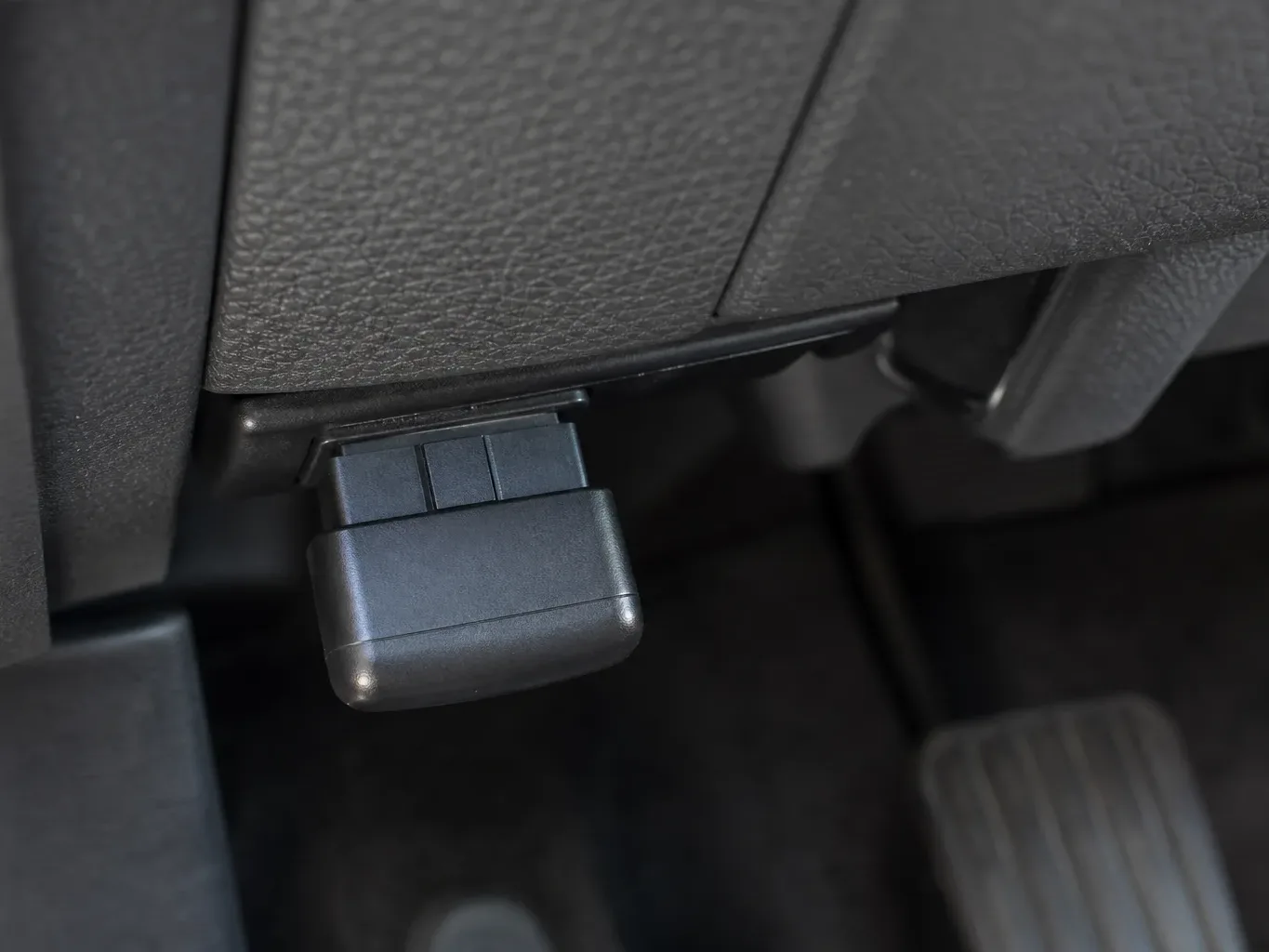
Every major insurer now offers a behavior-based discount program. If you drive fewer than 10,000 miles per year, avoid hard braking, and stay off the road late at night, telematics programs can deliver 10–20% savings after the first policy term. The tradeoff is data sharing, but for careful drivers the math usually favors opting in.
Bundle Policies
Combining renters or homeowners insurance with your auto policy through the same carrier can reduce your premium by up to 25%. Chicago renters make up a large portion of the city's population, and most major insurers offer renters-plus-auto bundles starting well under $100 combined per month for standard coverage levels.
Raise Your Deductible Strategically
Moving from a $500 to a $1,000 deductible on collision and comprehensive typically reduces that portion of the premium by 15–25%. This strategy only makes sense if you have the savings to cover the higher deductible out of pocket after an incident. Set aside the difference in a dedicated account and the strategy becomes self-funding over time.
Shop Every Renewal Cycle
Insurers adjust their Chicago-area pricing models regularly. A company that was not competitive two years ago may be the lowest quote today. Running fresh quotes from at least three carriers at each six-month or annual renewal takes under an hour and consistently produces better results than loyalty alone.
What to Look for Beyond the Premium
Price is the obvious starting point, but a policy that processes claims slowly or disputes coverage on technicalities costs more in stress than the savings are worth. Check each insurer's complaint ratio through the Illinois Department of Insurance, which publishes annual data on complaint volume relative to policy count. A lower complaint ratio relative to market share is a more reliable signal than a marketing claim.
Financial strength ratings from AM Best or Standard & Poor's confirm that the insurer can actually pay claims. Any carrier you seriously consider should carry at least an A rating. In a city where a serious accident can generate claims in the tens of thousands of dollars, solvency is not a detail to overlook.
Frequently Asked Questions
What Are the Best Cheap Car Insurance Companies in Illinois?
GEICO, State Farm, Progressive, and American Family consistently offer competitive rates across Illinois. For Chicago drivers specifically, the best option depends on your driving record, ZIP code, and coverage needs. Full coverage in Illinois averages $1,300–$1,600 statewide, but Chicago rates typically run $1,800–$2,200 per year, so comparing quotes directly from multiple carriers matters more than relying on statewide rankings.
How Much Does Car Insurance Cost in Chicago?
Full coverage in Chicago typically costs $1,800–$2,200 per year, which is notably higher than the Illinois statewide average of $1,300–$1,600. Liability-only coverage runs roughly $600–$900 per year for Chicago drivers. Your exact rate depends on your ZIP code, driving history, vehicle, and credit score.
What Is the Minimum Car Insurance Required in Chicago?
Illinois law requires liability-only coverage at minimums of $25,000 per person and $50,000 per accident for bodily injury, plus $20,000 for property damage, commonly written as 25/50/20. These minimums apply to all Chicago drivers. Many drivers choose higher limits because the statutory minimums can be exhausted quickly in a serious accident.
Which Chicago Car Insurance Company Is Best for Young Drivers?
State Farm and GEICO are strong choices for young drivers in Chicago. Drivers under 25 typically pay 50–100% above the standard adult rate in the city, but both insurers offer programs specifically designed to reduce that surcharge over time. State Farm's Steer Clear program and GEICO's good driver discount of up to 20% off are practical tools for bringing premiums down as driving history builds.
Does Chicago's High Vehicle Theft Rate Affect Car Insurance Premiums?
Yes. Chicago consistently ranks among the top 10 most vehicle-theft-affected major U.S. cities, which raises the cost of comprehensive coverage across the city. Insurers price this risk into premiums citywide, not just in the highest-theft neighborhoods. Comprehensive coverage protects against theft and is especially worth carrying in Chicago compared to lower-risk markets.