Why Car Insurance Is More Expensive on Chicago's South Side

What Drives Up Rates in South Side Neighborhoods
Car insurance rates in South Side Chicago neighborhoods are shaped by data insurers collect at the ZIP code level. Carriers analyze claims frequency, theft reports, accident density, and uninsured motorist exposure before setting a rate for any single address. Because Chicago's roughly 60 ZIP codes vary sharply in those metrics, two drivers with identical records can pay meaningfully different premiums depending purely on where they park each night.
Full coverage in Chicago typically runs $1,800–$2,200 per year, already well above the Illinois statewide average of $1,300–$1,600. Drivers in higher-risk South Side ZIP codes often land at the upper end of that range or above it.
How Insurers Rate ZIP Codes
Insurers don't price a neighborhood on gut instinct. They pull actuarial data covering years of claims from every ZIP code and weight several factors simultaneously.
Claims Frequency and Severity
A ZIP code with a high volume of collision claims or large bodily injury payouts signals elevated risk. Carriers price that risk into every new policy written in that area, regardless of an individual driver's personal history. Dense urban traffic, more stop-and-go intersections, and higher pedestrian activity all contribute to more frequent minor collisions.
Vehicle Theft Exposure
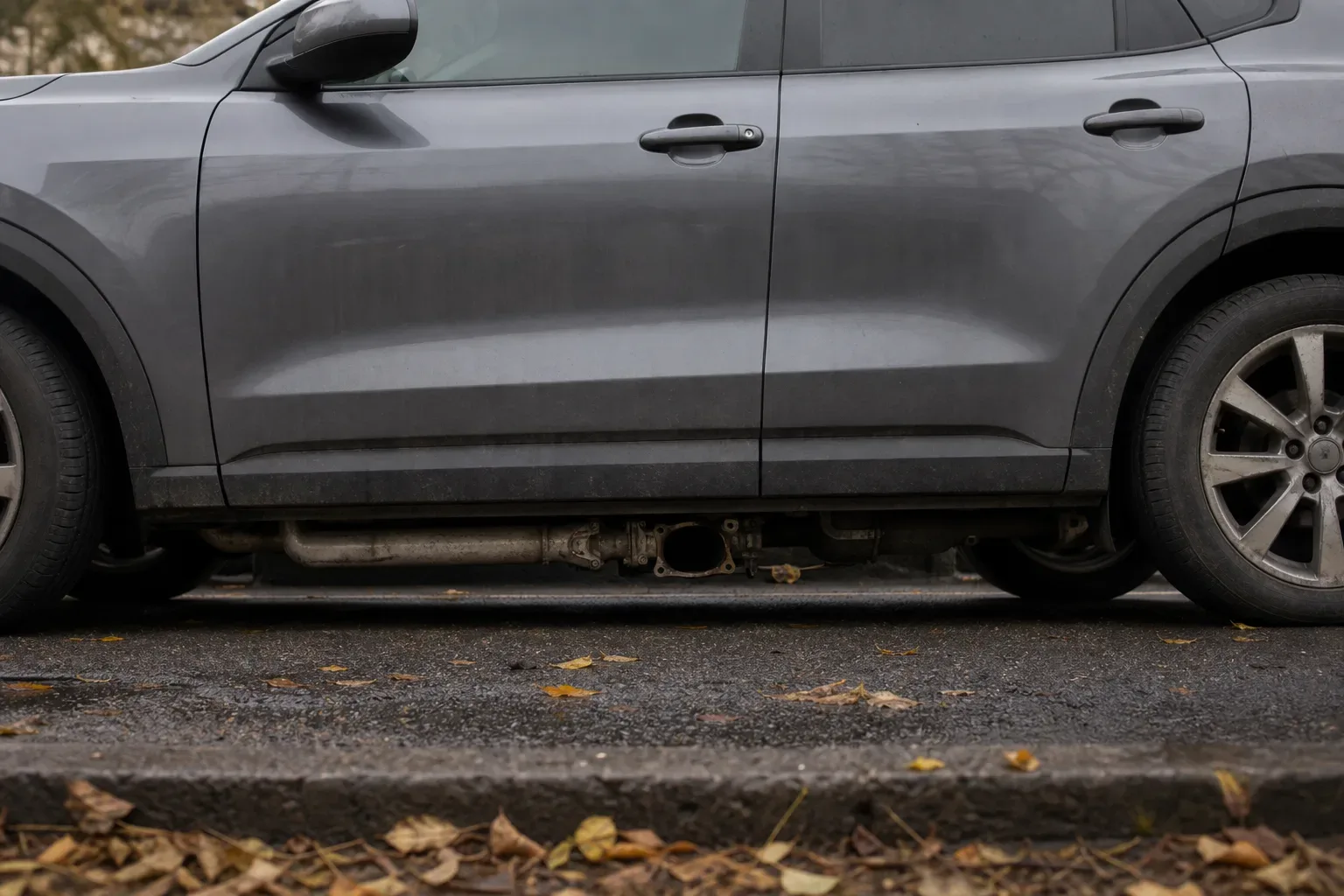
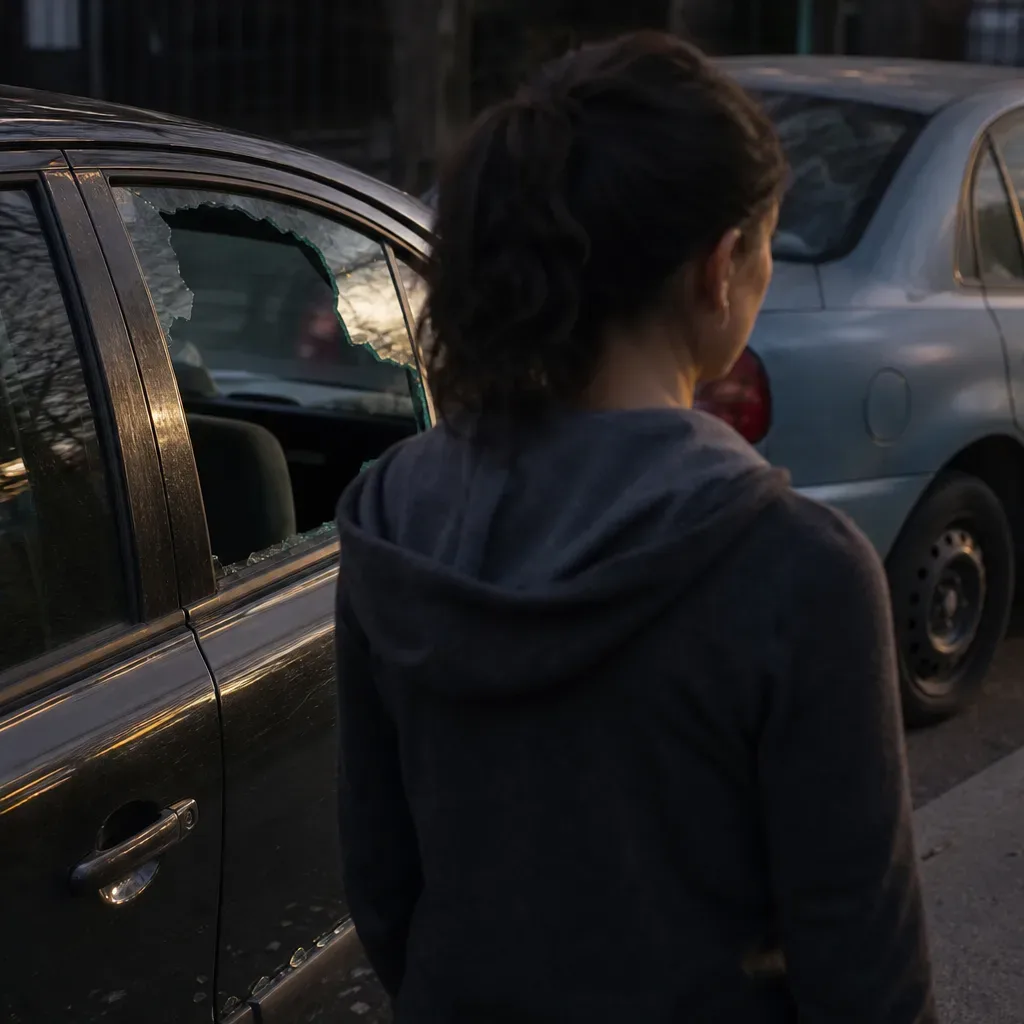
Chicago ranks consistently among the top ten most vehicle-theft-affected major U.S. cities. Certain South Side corridors see concentrated auto theft activity, which pushes comprehensive coverage costs higher across those ZIP codes. If your vehicle is stolen or stripped, the insurer pays the claim, and those costs are eventually distributed back into local rate-setting.
Uninsured Motorist Density
About 12–13% of Illinois drivers carry no insurance at all. That share isn't distributed evenly across the state. Neighborhoods where uninsured drivers are more prevalent expose insured drivers to greater financial risk: if an uninsured motorist hits you, your own uninsured motorist coverage absorbs the loss. Carriers account for that exposure when pricing policies in affected areas.
The South Side Risk Profile Explained
Car insurance South Side Chicago rates reflect a combination of the factors above hitting simultaneously rather than in isolation. High traffic volume, above-average theft claims, and elevated uninsured motorist exposure create a compound risk signal that carriers can't ignore.
Property crime data, police district reports, and IL Department of Insurance filings all feed into how actuaries categorize individual ZIP codes. None of this means South Side drivers are bad drivers. It means the statistical environment around them is costlier to insure.
Why Your Personal Record Still Matters
A clean driving history still counts. A South Side driver with no claims and no violations will pay less than a neighbor with two at-fault accidents, even inside the same ZIP code. The ZIP code sets a floor, but your individual profile determines where you sit above that floor. A good driver discount can reduce a premium by up to 20%, which adds up significantly when the base rate is already elevated.
Comparing South Side Costs to the Rest of Chicago
North Side and Northwest Side ZIP codes generally carry lower premiums because their theft rates, claims density, and uninsured motorist exposure tend to be lower. That gap is real and measurable, not a perception. Drivers who move from a lower-risk Chicago neighborhood to a higher-risk South Side ZIP code typically see their renewal quote increase even if nothing else about their policy changes.
Suburban drivers in Cook County or DuPage County often pay closer to the Illinois statewide average of $1,300–$1,600 annually because suburban risk profiles differ substantially from the city's densest neighborhoods. The difference in premium isn't a penalty for living on the South Side. It is a reflection of documented claim activity in that geographic area.
What South Side Drivers Can Do to Lower Their Premium
The ZIP code factor is fixed as long as you live there, but several other levers are within your control.
Shop Multiple Carriers
Not every insurer weights South Side ZIP codes the same way. One carrier's algorithm may emphasize theft data heavily while another weights accident frequency more. Getting quotes from at least three carriers for the same coverage limits often reveals a spread of several hundred dollars per year. Independent agents who work with multiple companies can surface those differences efficiently.
Bundle Policies
Combining an auto policy with a renters or homeowners policy can reduce the auto premium by up to 25%. For a South Side driver paying toward the top of the $1,800–$2,200 range, that discount is worth pursuing aggressively. Most major carriers offer this multi-policy reduction automatically when both policies are written together.
Consider Higher Deductibles
Raising a comprehensive or collision deductible from $500 to $1,000 lowers the monthly premium. The trade-off is absorbing more out-of-pocket cost after a claim. Drivers with an emergency fund large enough to cover the higher deductible can save meaningfully over a full policy year without taking on dangerous financial risk.
Maintain Continuous Coverage
A lapse in coverage, even a short one, flags you as higher risk with most carriers and can push your next premium up. Illinois classifies drivers who require an SR-22 filing as high-risk drivers, which compounds cost increases. Keeping coverage active, even at a reduced level during lean months, protects your rating tier.
Ask About Telematics Programs
Many carriers offer usage-based or telematics programs that monitor actual driving behavior through an app or plug-in device. A South Side driver who rarely exceeds speed limits, brakes smoothly, and drives primarily during off-peak hours can earn discounts that partially offset the ZIP code surcharge. Results vary by carrier, but the programs are generally worth trying for cautious daily drivers.
Young Drivers on the South Side Face a Double Pressure
Drivers under 25 already pay 50–100% above the standard adult rate in Chicago. When that age surcharge stacks on top of an elevated South Side ZIP code rate, the annual premium can reach a level that strains a household budget significantly. Keeping a young driver on a parent's policy rather than a standalone policy, where insurers permit it, is usually the most cost-effective structure. Completing an accredited defensive driving course also produces a documented discount with most carriers.

Liability-Only Coverage as a Cost Reduction Strategy
Drivers of older vehicles with low market value sometimes drop to liability-only coverage to cut costs. Liability-only coverage in Chicago runs approximately $600–$900 per year. The risk is bearing full replacement cost personally if the vehicle is stolen or totaled. On the South Side, where theft exposure is elevated, dropping comprehensive coverage on a vehicle worth more than a few thousand dollars is a calculation that deserves careful thought before acting on it.
The right coverage level depends on the vehicle's actual cash value, the driver's savings cushion, and an honest assessment of local theft risk. A licensed insurance agent familiar with South Side Chicago conditions can run that calculation with real numbers.
Frequently Asked Questions
Why Is Car Insurance on the South Side of Chicago More Expensive Than Other Parts of the City?
Insurers price policies using ZIP-code-level data on theft rates, collision claims frequency, and the share of uninsured drivers in the area. South Side ZIP codes tend to score higher on all three metrics simultaneously, which pushes premiums toward the upper end of Chicago's typical $1,800–$2,200 full coverage range.
Does Living on the South Side Affect My Rate Even If I Have a Clean Driving Record?
Yes. Your ZIP code sets a baseline rate that reflects the collective claims history of that area. A clean record reduces your personal surcharges and may qualify you for a good driver discount of up to 20%, but the ZIP code floor remains as long as you live there.
What Is the Cheapest Type of Car Insurance Available to South Side Drivers?
Liability-only coverage meets the Illinois minimum requirement of 25/50/20 and typically costs $600–$900 per year in Chicago. It covers damage and injuries you cause to others but pays nothing toward your own vehicle if it is stolen or damaged in a collision.
Can Bundling My Car and Renters Insurance Really Make a Difference on the South Side?
Bundling an auto policy with a renters or homeowners policy can reduce the auto premium by up to 25%. On a South Side policy already running near the top of the city's average range, that reduction is a meaningful dollar amount annually.
How Much More Do Young Drivers Pay for Car Insurance on Chicago's South Side?
Drivers under 25 in Chicago already face a surcharge of 50–100% above the standard adult rate. That age-based increase stacks on top of the elevated South Side ZIP code rate, making coverage especially costly for young drivers in these neighborhoods. Staying on a parent's policy and completing a defensive driving course are two of the most effective ways to reduce that burden.